Knowing how to see how many views a video has on Facebook is essential whether you post videos for fun, run a business page, experiment with video marketing strategy, use live streaming, or simply want to measure who watched the video. Facebook videos gather engagement quickly, and understanding the view count, viewer count, minutes viewed, and unique viewers helps you evaluate your content and plan better.
This guide explains every method for checking video views across the Facebook app, desktop, Pages, Groups, Reels, and the videos tab on your personal profile. You’ll also learn why some videos don’t show the number of views, how Facebook counts each view, and how to access deeper analytics through Meta Business Suite, Creator Studio, and classic publishing tools.
Boost your content impact with story views, automatic likes, and comments to make every post more active and credible instantly.
How Many Views on Facebook Videos on the App (Android, iPhone, iPad)
If you upload videos from your phone, the Facebook app gives you quick access to your videos uploaded and the corresponding number of views. Here’s the complete step-by-step process.
- Open the Facebook App: Open the Facebook app and make sure you’re logged into your account. If not, enter your login details.
- Tap the Menu (Hamburger) Icon: On Android, you’ll find it at the top right. On iPhone/iPad, it appears at the bottom right.
- Tap Your Name: This opens your Facebook profile page, where all your posts, photos, and videos are located.
- Go to Photos: Scroll slightly, then tap Photos.
- Access Your Videos: Depending on your device:
- iPhone/iPad: Tap Videos in the horizontal menu.
- Android: Tap Albums, then open the Videos album.
This is your video gallery containing all videos posted on your personal profile.
- Tap Any Video to See the View Count: Every Facebook video shows the view count under the video. This number reflects how many people watched the video for at least three seconds.
How to See How Many Views on Facebook Videos Using Desktop
On a computer, checking video views is even easier and provides slightly more analytics compared to mobile apps.
1. Open Facebook.com
Log into your account if needed.
2. Go to Your Profile
You have three options:
- Click your profile picture on the left sidebar
- Click your profile photo at the top near What’s on your mind?
- Use the profile icon on the top right
All three lead to your personal profile.
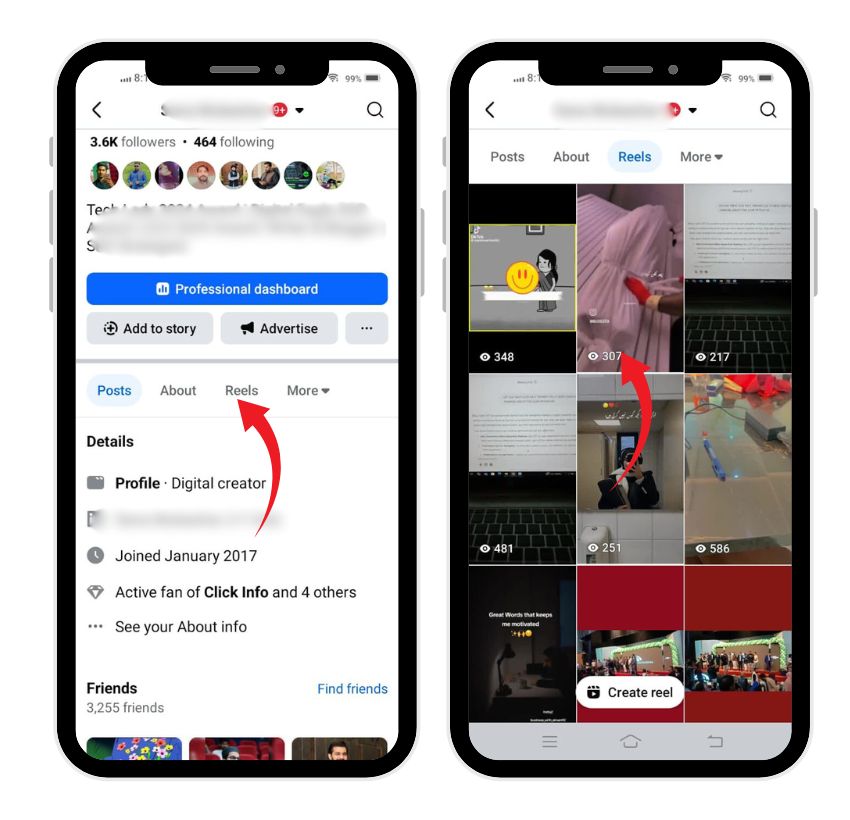
3. Click the Videos Tab
Below your name, you’ll see tabs like Posts, About, Friends, Photos, and Videos.
Click Videos.
4. Open Any Video
When you click a video, the viewer count appears next to the eye icon.
This shows:
- How many people viewed
- How many views the video got
- A breakdown of comments, reactions, and shares
Related: What Does Sticker Taps Mean on Instagram Story
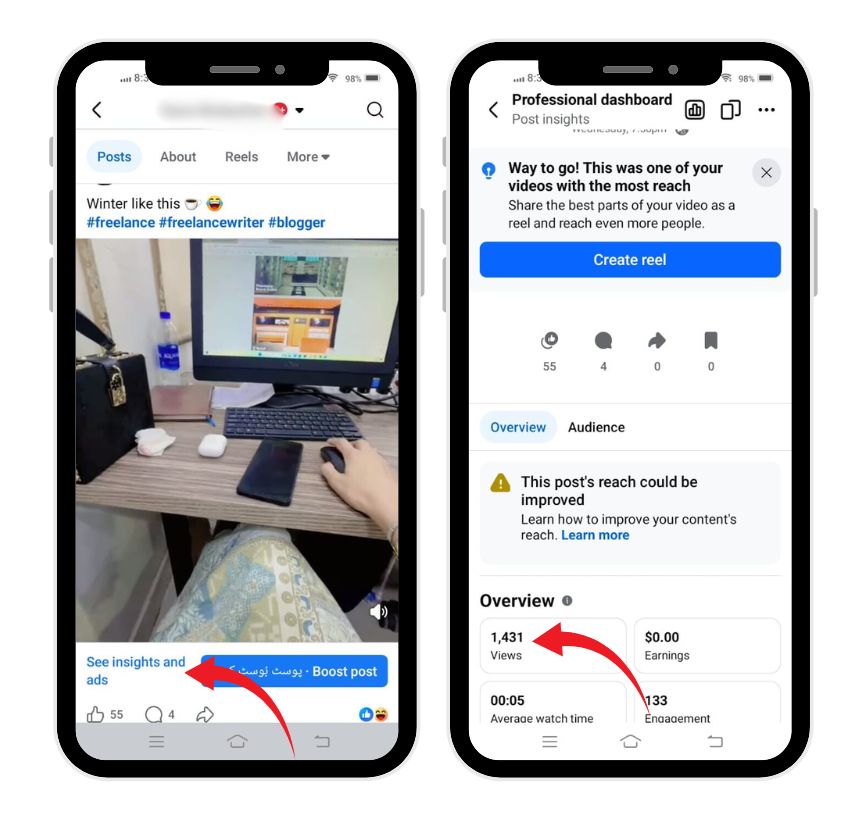
How to View Facebook Video Views Through Insights and Ads
- Open Facebook and Log In: Open the Facebook app or desktop and sign in to your account.
- Go to Your Profile or Page: Click your profile picture or navigate to the Facebook Page where the video is posted.
- Access Your Videos: On your profile, tap the Videos tab. On a Page, go to Publishing Tools or Videos in the Meta Business Suite.
- Select the Specific Video: Scroll through your uploaded videos and click the one you want to check.
- Click on “See Insights”: Under the video, tap See Insights to view detailed analytics such as number of views, average watch time, minutes viewed, and engagement metrics.
- Check Ads Insights (if applicable): If the video is part of a promoted post, click Ads or Promotions to see additional metrics, including total views, reach, and performance data.
- Review Your Metrics: Analyze the displayed data to understand how many people watched your video, the duration of views, and audience engagement.
This method works for personal profiles, Pages, and videos posted for marketing or business purposes.
How to See Video Views for Facebook Videos Posted in Groups
Group videos work differently because Facebook gives two types of visibility:
- Seen By (for small groups)
- Post Reach (for larger groups with 250+ members)
Here are all methods.
Viewing Group Video Views via Facebook App (Android, iPhone, iPad)
1. Tap the Menu (Hamburger) Icon
Android: top right
iPhone/iPad: bottom right
2. Tap Groups
Then select the group containing the video.
3. Scroll to the Video
Below the video, you’ll see:
- Seen By (exact people who watched the video)
- Post Reach (number of people who viewed the post)
If you tap Seen By:
You’ll get a list of the specific profiles who watched the video.
If you tap Post Reach:
You get post-level insights, including:
- People reached
- Video views
- Engagement metrics
💡 Pro Tip: Strengthen your profile by boosting reposts that showcase your content’s value and spread it to wider communities instantly.
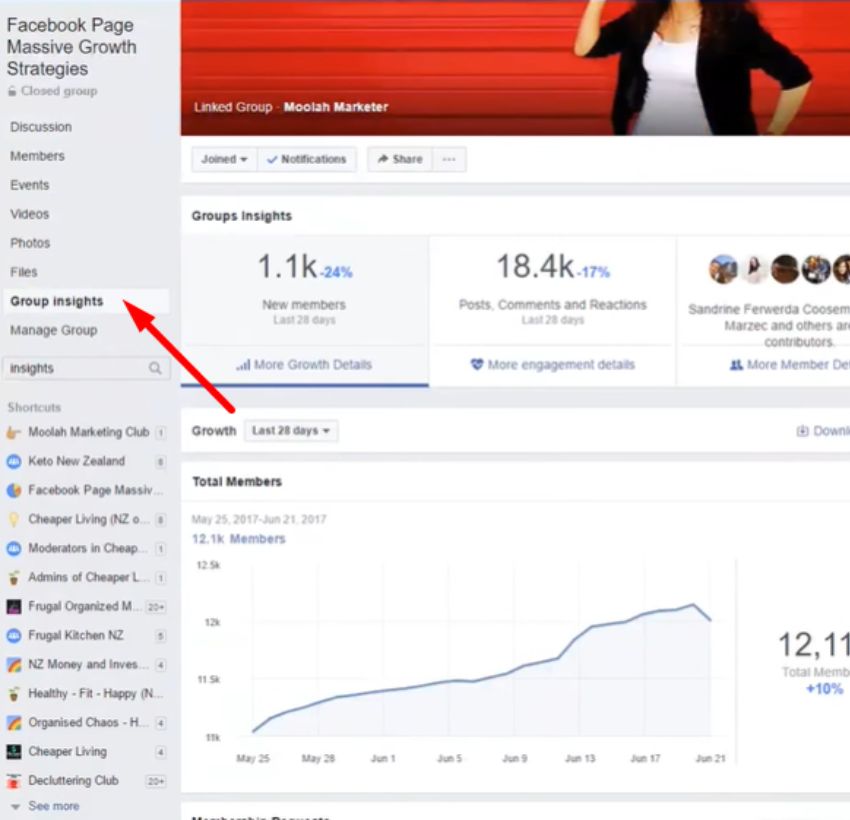
Alternate Method: Using Group Insights (Mobile)
1. Tap Menu → Groups → Select Group
2. Tap Manage
This is the wrench icon or tools icon.
3. Scroll and Tap Insights
4. Tap Engagement
This opens group engagement analytics.
5. Scroll to Posts
Choose:
- Top posts
- All posts
- By admins
- By all
Tap See all next to Posts.
6. Select the Video
Under the video, tap Seen By [Number] to view who watched the video.
How to See How Many Views of Facebook Videos Posted to Pages
If you post videos to a Facebook Page, you get deeper analytics than personal profiles.
Metrics include:
- Minutes viewed
- Average watch time
- Returning viewers
- 3-second views
- 1-minute views
- Total view count
- Engagement metrics
Why Is My Facebook Video Not Showing Views? (5 Reasons)
Facebook may not show video views for several reasons, and understanding these issues helps you fix missing or delayed view counts.
- Privacy Settings Are Not Public: When your Facebook video is set to Friends, Friends Except, or Only Me, the platform may hide or limit the public view count. Facebook only shows full views when the post is visible to a wider audience, especially if the upload is set to Public.
- Video Posted in a Private Group: Videos shared inside private groups don’t display a public view count. Instead, Facebook shows Seen By, which lists the members who viewed the post rather than showing the total number of views.
- Less Than 3 Seconds of Watch Time: Facebook counts a view only after someone watches for at least 3 seconds. If people scroll past too quickly, the view count won’t increase.
- Outdated Facebook App or Browser Version: Old versions of the Facebook app or outdated browsers may fail to show updated video metrics.
- Video Still Processing: Newly uploaded videos need time for processing, which can delay the appearance of views and analytics.
What Counts as a View on a Facebook Video?
Facebook counts a view when:
- The video is watched for 3 seconds or more
- Auto-play views count
- Muted views count
- Rewatches may count depending on duration
Each viewer can generate multiple views if they watch repeatedly.
Related: What Does TDY Mean on Instagram?
Public Facebook Video Metrics (Detailed Points)
- Total Number of Views: This metric shows how many times people watched your video for at least three seconds. It is publicly visible on all videos posted from a Page or a personal profile set to Public. The total view count helps viewers understand how popular or engaging a video is. A higher count signals strong audience interest and increases the likelihood of further engagement and reach.
- Reactions: Reactions include likes, loves, cares, laughs, wows, sads, and angries. These public metrics show how viewers emotionally responded to your content. They also contribute to Facebook’s algorithmic ranking, meaning videos with more reactions are more likely to appear in news feeds. Anyone who can view the video can also see these reactions.
- Comments: Public comments reflect how much discussion or conversation your video generated. They show viewer opinions, questions, feedback, and conversations happening under your content. Comments also help increase visibility because Facebook rewards posts that generate active interactions.
- Shares: Shares show how many people spread your video to their own friends or followers. Public shares give your video additional reach beyond your immediate audience. The more shares a video gets, the more viral potential it has. Shares are a strong signal that viewers found your content valuable.
- Reach (for Pages and Public Videos): Reach indicates how many unique users saw your video. This metric is public on Page videos and sometimes visible on widely distributed public posts. Reach helps the audience understand how far a video has traveled and shows the effectiveness of a Page’s distribution or content strategy.
Why Facebook Doesn’t Show Who Viewed Your Video (Detailed Points)
- Videos Posted on Personal Profiles: Facebook hides individual viewer identities on personal-profile videos because revealing exactly who watched could violate user privacy. Many viewers browse quietly, and Facebook protects this behavior.
- Public Videos: When a video is public, it may be viewed by strangers, non-friends, and broad audiences. Showing names would compromise privacy and could create safety issues, so Facebook restricts this information.
- Page Videos: Pages can attract thousands or millions of viewers. Listing every viewer would expose personal data, overwhelm the interface, and violate Facebook’s privacy policies. Pages instead receive aggregated metrics in Insights.
- Reels: Reels rely on algorithmic distribution, meaning they are shown to people far beyond your circle. Revealing viewer identities would create privacy risks, so only total views and engagement are shown.
- Normal News Feed Videos: Regular feed videos may appear through shares, recommendations, or browsing. Showing exactly who watched would make users uncomfortable, discourage viewing, and break Facebook’s privacy rules.
- Exceptions: Stories and Private Groups: Stories and private groups are designed for limited audiences, so Facebook allows viewer name visibility. These features emphasize smaller, controlled environments where viewer identity sharing is acceptable.
- Privacy, Security, and Data Protection: Facebook avoids showing viewer identities to protect user safety, prevent stalking behaviors, reduce data misuse, and comply with global privacy laws like GDPR. Encrypted and anonymous viewing helps maintain user trust and platform security.
Increasing Your Facebook Video Views
Facebook videos can quickly reach a wide audience, but understanding how to see video views and using strategies to increase engagement is key for effective content performance and audience growth.
- Post consistently: Uploading on a regular schedule helps the Facebook algorithm recognize your activity. Consistency signals reliability, increases visibility, and keeps your audience engaged with fresh content.
- Upload high-quality video content: Clear visuals, good lighting, and crisp audio make viewers stay longer. High-quality videos also get better retention, which directly improves reach and boosts potential views.
- Use engaging captions: Captions that spark curiosity, ask questions, or offer value encourage users to stop scrolling. Strong captions increase watch time and interaction, which leads to more visibility.
- Add strong thumbnails: Eye-catching thumbnails help your video stand out. A bold, clean, and relevant thumbnail can significantly increase click-through rate and total views.
- Share to Groups: Posting your videos in relevant Facebook groups exposes your content to targeted audiences interested in your topic, increasing organic traffic and views.
- Use Reels for more reach: Reels currently get the highest visibility on Facebook. Repurposing your video into a short Reel boosts exposure and attracts new viewers.
- Promote through Stories: Sharing videos in Stories helps capture quick attention and drive additional clicks from your followers.
- Go live: Live videos get priority in the feed and drive high engagement, helping your content reach more people.
- Engage with comments: Replying to comments keeps your post active, increases interaction, and signals the algorithm to push your video further.
What Are the Most Important Facebook Video Metrics?
When analyzing your videos, pay attention to:
- Video Plays: This metric counts how many times people clicked to start the video or viewed it through autoplay. It helps determine initial interest and how effective your thumbnail and placement were in attracting attention. Higher plays usually mean your content captured attention immediately.
- 3-Second Views: A 3-second view means the viewer watched at least three seconds, even if the video was muted or autoplayed. Facebook uses this as the baseline for counting a “view.” It shows how many users paused long enough to engage past the scroll.
- 10-Second Continuous Views: This metric reveals how many people watched your video for at least ten seconds without stopping. It provides a stronger signal of viewer interest and helps measure early retention and content quality.
- 1-Minute Views: These are views lasting at least 60 seconds. Long watch times typically indicate compelling storytelling or valuable content. This metric is especially important for longer videos and monetized content.
- Average Watch Time: Displays how long the average viewer watched your video. A higher value suggests better audience engagement. Low average watch time may indicate weak intros, poor pacing, or mismatched audience targeting.
- Minutes Viewed: This is the total number of minutes your video generated. It reflects overall consumption and helps measure accumulated interest across all viewers, including replays.
- Retention Rate: Shows how long viewers stayed and where they dropped off. Retention graphs help you identify boring segments, slow intros, or strong moments that held attention.
- Returning Viewers: Tracks how many people came back to watch your content again. A higher number means your audience trusts and likes your videos enough to revisit.
- Engagement Metrics: Includes likes, comments, shares, and reactions. Strong engagement boosts distribution in the news feed and increases organic reach.
- Reach: Measures how many unique users saw your video. High reach means strong visibility and improved algorithm performance.
These metrics help shape your video marketing strategy.
💡 Pro Tip: Gain attention instantly by increasing Instagram live views that make your sessions appear valuable and popular.
Final Thoughts
Learning how to see how many views a video has on Facebook helps you understand your audience, measure your growth, and improve your video content. Whether you’re checking videos on your personal profile, business page, Groups, or live streaming, Facebook offers many tools such as Meta Business Suite, Insights, and publishing tools that let you evaluate key metrics, engagement metrics, and total number of people who watched the video.
Understanding three-second views, average watch time, and minutes viewed gives you insight into video performance and allows you to create stronger content for your audience. With this complete guide and the step-by-step methods on apps and desktop, you can track every video’s view count quickly and accurately.
FAQs
How to see views of a Facebook video?
Open the Facebook app or desktop, go to your profile, videos tab, or Page, then click the video. The view count appears next to the eye icon, showing how many people watched for at least three seconds.
How do I see how many views a Facebook post has had?
Navigate to the post on your profile, Page, or Group. For videos, the view count is visible under the video. For other post types, check post reach or Insights to see total impressions and engagement metrics.
How do I see the number of views on a post?
Click the post to expand it, then look for view count, reach, or post-level insights. Video posts display viewer numbers directly, while other content types may require using Meta Business Suite or Page Insights for exact statistics.
Are Facebook video views visible?
Yes, but only for videos you can access publicly or on your Page. Personal videos, public posts, and Reels show total view count, but Facebook does not reveal individual viewers except for Stories or private group content.