If you spend time scrolling through Instagram stories, captions, or comments, you’ve probably seen people drop “ion” in their text messages or social media posts. At first glance, you might think it refers to the scientific particle, but in the fast-paced world of social media slang, “ion” has taken on an entirely different meaning.
Among younger users—especially Gen Z—the acronym ION has multiple interpretations depending on the context of the conversation. From its older origins in traditional news broadcasting to its newer slang form as “I don’t,” “ion” shows how language evolves in online conversations and casual communication.
This guide will break down all the meanings of ION, where it came from, how to use it, and when to avoid it—so you can stay current in your digital communication.Don’t let your content go unnoticed.
Boost every part of your Instagram with likes, followers, comments, and more. Build presence, drive results, and grow consistently with our all-in-one solution.
What Does ION Mean in Gen Z Language?
Among Gen Z, “ion” is most often used as a short form of “I don’t” or “I don’t know.” It’s a direct result of phonetic spelling—when spoken quickly, “I don’t” can sound like “ion,” especially in African American Vernacular English (AAVE). Over time, this informal pronunciation was embraced in texting, online chats, and social media conversations.
In everyday casual conversations, you might see it in examples like:
- “Ion know if I’m going tonight.” → I don’t know if I’m going tonight.
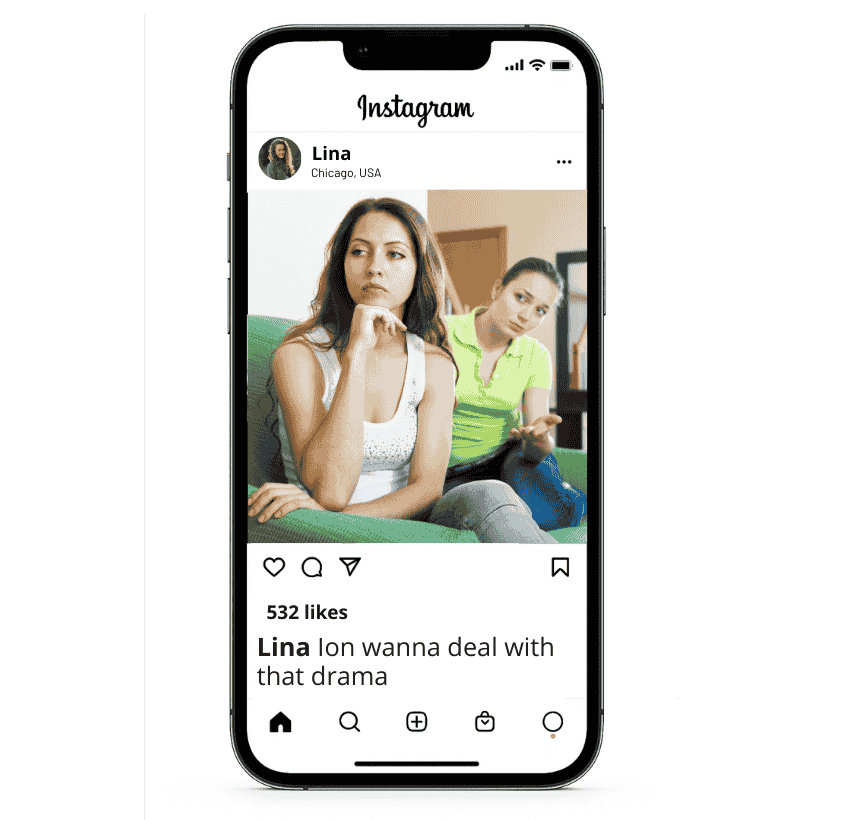
- “Ion wanna deal with that drama.” → I don’t want to deal with that drama.
Younger users love abbreviations because they keep messages short and create a sense of cultural identity. Just like other social media slang, “ion” serves as a quick way to communicate while fitting into the informal style of social media platforms.
Origin and History of “ION”
ION in Traditional News Broadcasting
Long before Instagram and TikTok existed, “ION” had a completely different meaning. In traditional news broadcasting, the phrase “In Other News” was used to introduce a different topic or shift to unrelated stories during a segment. News anchors would say something like:
“A new park opens downtown, bringing more green space to the city. In other news, the mayor has announced…”
This usage dates back to mid-20th-century television. The transition phrase helped create a smooth shift between topics and became a recognizable communication cue for viewers.
💡 Pro Tip: Increase your content reach by buying impressions that push your posts into more timelines and grow your visibility.
ION in Early Online Conversations
When internet forums and instant messaging grew in the early 2000s, users began abbreviating common phrases for efficiency. “In other news” became “ION” in online chats to signal a current discussion was ending and a new topic was beginning.
Example in an online conversation:
User 1: “I finally passed my driving test!”
User 2: “Congrats! ION, did you watch the new episode last night?”
Here, “ION” was used as a conversational shift—perfect for casual and informal communication in online spaces.
ION as “I Don’t” in AAVE
The acronym ION took on another meaning thanks to African American Vernacular English. In AAVE, certain sounds in speech are dropped or blended for speed and style. “I don’t” naturally became “ion” when spoken, and as texting became more popular, younger users began typing it this way.
This second meaning exploded in popularity between 2015 and 2018. Platforms like Twitter and later TikTok pushed the term into mainstream social media slang, where it started appearing in captions, direct messages, and comments.
Some key moments that propelled it:
- 2018–2020: Influencers and meme accounts used “ion” in viral content.
- TikTok era: Hashtags like #ionknow racked up millions of views, showing just how quickly slang can spread across social media platforms.
- Reddit discussions: Threads about “ion meaning social media” documented examples and debated regional differences.
Related: What Do ‘Impressions’ Mean on Instagram Analytics?
Meanings of “ION” and How to Use Them
The acronym “ION” can take on several meanings depending on the context of your conversation. Here’s a breakdown of its most common uses with examples:
- “I Don’t” (Slang)
This is the most popular meaning of “ION” among younger users. It replaces “I don’t” in casual conversations, especially in text messages and online chats.
- Caption: “Ion feel like going out tonight 🌙”
- Comment: “Same, staying home sounds better.”
- “I Don’t Know”
Here, “ION” communicates uncertainty in informal settings, often in response to direct questions.
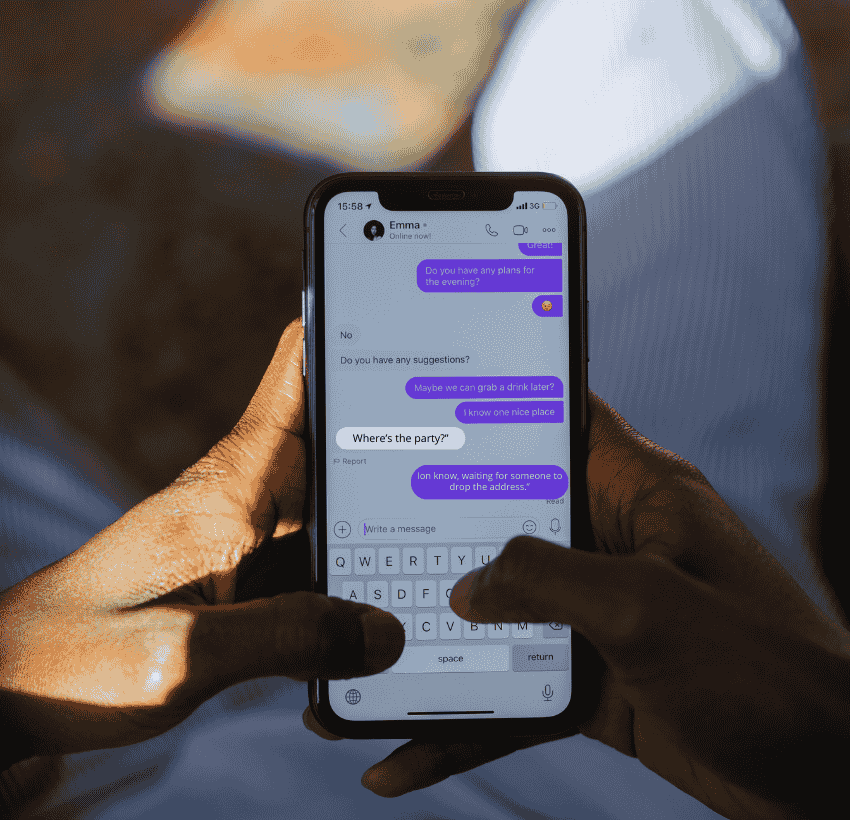
- Story reply: “Where’s the party?”
- Response: “Ion know, waiting for someone to drop the address.”
- “In Other News”
This meaning is used to introduce a new topic or shift the conversation, often in a playful or lighthearted way.
- Post: “Lost my wallet this morning. ION, I found a puppy in my yard 🐶.”
- “In Other News” (Professional Use)
While rare in formal communication, it can appear in blogs, newsletters, or corporate social media accounts mimicking news-style updates.
- Example: “The company’s sales increased by 15% this quarter. ION, our new product launches next month.”
- “In Other News” (Memes & Humor)
In internet humor, “ION” serves as a sarcastic way to change the topic abruptly, often to something unrelated and amusing.
- Tweet: “Broke up with my boyfriend today. ION, pizza is 50% off at Domino’s 🍕.”
Each of these meanings works best when matched to the right context. In casual conversations, “ION” as “I don’t” or “I don’t know” feels natural, while the “In other news” versions work well in posts, transitions, or humor-driven content.
How to Use ION on Social Media
If you want to incorporate “ION” into your social media posts, captions, or direct messages, follow these tips:
- Understand the meaning: Decide whether you’re using “ION” to mean “I don’t” or “In other news.” Context is essential for accuracy.
- Keep it informal: This slang works best in casual conversations, online chats, or playful comments, but avoid it in formal communications.
- Fit the tone: If your audience is primarily younger age groups or people familiar with social media slang, they’ll instantly understand it.
- Experiment with style: You can add emphasis by spelling it as “ionn” or “iooon,” depending on the vibe you want to convey.
- Be mindful of clarity: Not everyone across various age groups understands “ION,” so use it where it won’t confuse your audience.
By following these guidelines, your “ION” usage will feel natural and relatable online.
💡 Pro Tip: Boost your post performance with saves that signal strong interest and keep your content relevant for longer.
Common Mistakes and Misunderstandings
Even though “ion” is popular in casual conversations and social media posts, many users make mistakes that lead to confusion:
- Using “ion” in formal communications: Including slang in professional emails, reports, or business contexts can make the message appear unclear and unprofessional.
- Confusing “ion” with the scientific term: Some people mistake it for the charged particle “ion” when the conversation is about unrelated stories or topics.
- Overusing it in posts: Using “ion” too frequently can make content harder to understand, especially for followers who don’t know the slang.
- Mixing up meanings: Confusing “I don’t” with “In other news” in the wrong context can completely change the intended message.
- Assuming everyone knows it: Not all age groups or audiences are familiar with “ion,” which can result in alienating older or less tech-savvy users.
When to Avoid Using “ION”
While slang like “ion” adds personality to casual conversations, there are situations where it can cause confusion or appear unprofessional:
- Professional environments: In business emails, reports, or formal communications, clear and standard language ensures your message is understood by all recipients.
- Crisis communication: During sensitive situations, slang risks creating misunderstandings when precision and clarity are essential.
- B2B marketing: In professional campaigns, using Gen Z slang like “ion” may alienate clients or partners from different age groups or cultural backgrounds.
- Multi-generational audiences: When addressing people of various ages, slang can create barriers if recipients are unfamiliar with the term.
- Legal or policy discussions: Informal language undermines credibility in serious contexts where accuracy and professionalism are expected.
In short, “ion” works best in casual online conversations, but should be avoided when professionalism, clarity, and universal understanding are necessary.
Related: What Does ‘Accounts Reached’ Mean on Instagram Analytics?
Why ION Shows How Language Evolves
ION’s journey—from traditional news broadcasting to TikTok captions—shows how communication shifts with technology. Social media platforms accelerate the spread of slang, turning niche expressions into mainstream terms almost overnight.
Its multiple meanings also highlight how context decides interpretation. In one Instagram DM, “ion” could mean “I don’t,” while in another, it’s a playful “in other news” introducing a different topic.
This flexibility reflects the way online conversations work: fast, fluid, and always changing. By recognizing trends like ION, you can stay current in both your casual conversations and digital communication.
Final Thoughts
In the world of Instagram and social media slang, ion stands as a perfect example of how informal conversations evolve into widely recognized expressions. Whether it’s “I don’t” in a DM or “In other news” in a meme caption, this acronym shows the creative ways younger users adapt language for speed and personality.
As with all slang, context is key. In casual communication, it can make your posts feel relatable and up-to-date. In professional or multi-generational settings, it’s better to use standard phrasing to ensure everyone understands your message.
FAQs
1. What does “ION” stand for on Instagram?
On Instagram, “ION” can mean “I don’t” in slang form or “In other news” as a conversation shift, depending on the context.
2. Is “ION” formal or informal language?
“ION” is considered informal communication. It’s mainly used in casual conversations, online chats, and social media posts, not in professional or formal communications.
3. Can people from different age groups understand “ION”?
Not always. Younger users familiar with social media slang are more likely to recognize it, while older age groups may misinterpret it.
4. How can I use “ION” correctly in text messages?
Use “ION” when speaking casually, such as “Ion know what to wear.” Avoid it in formal settings or with audiences unfamiliar with slang.